
We Were Part of APEC China 2026
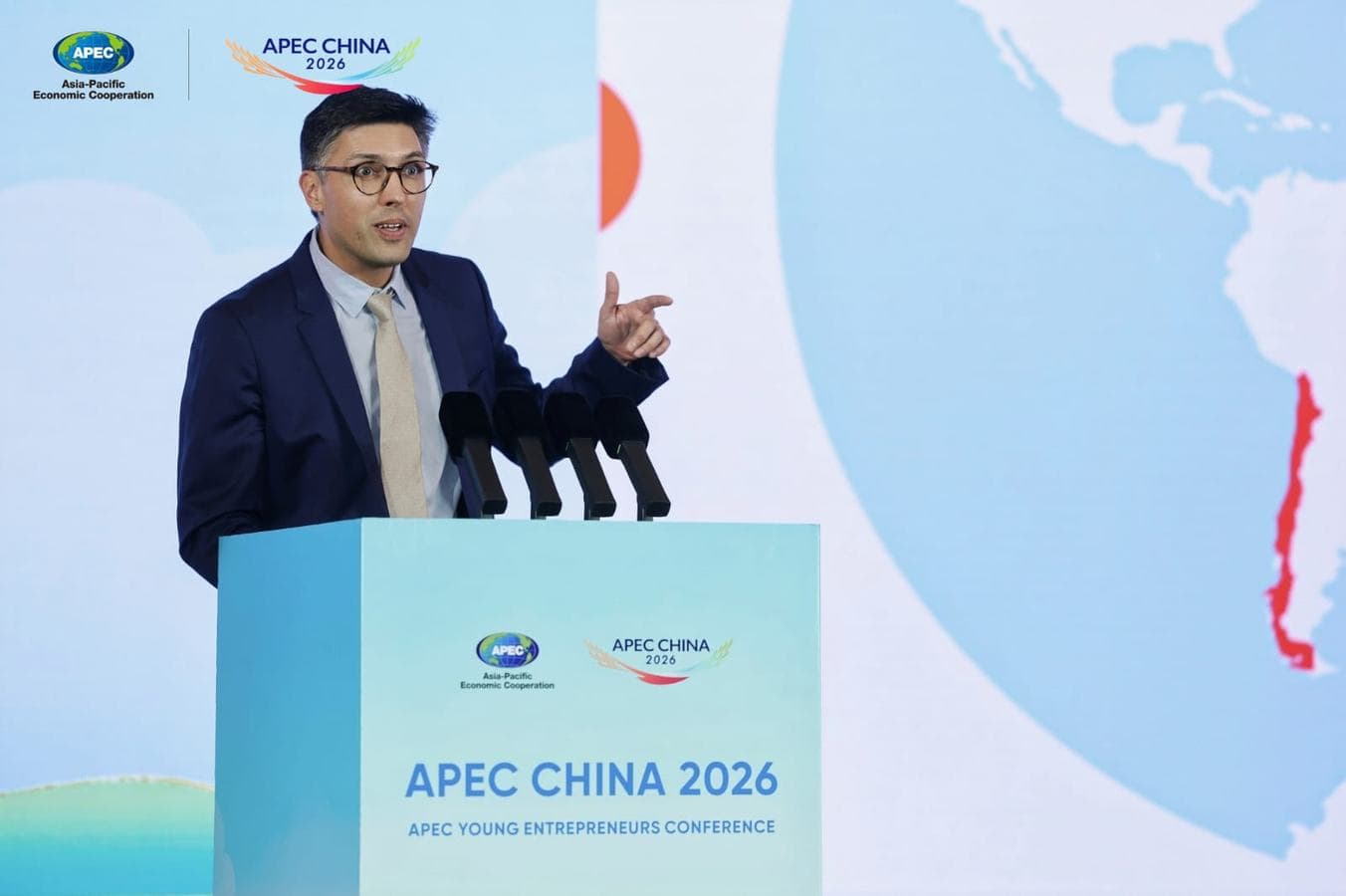
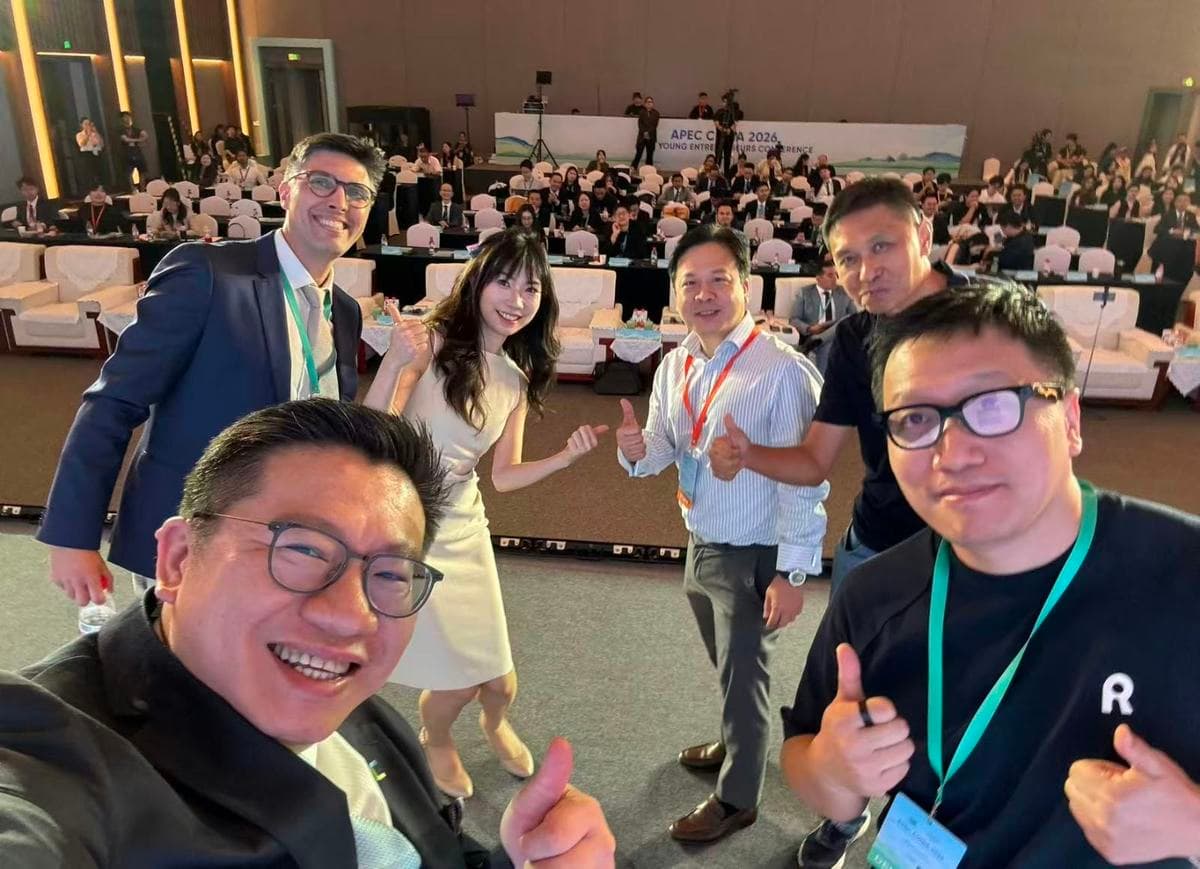
In the context of China's year at APEC (Asia-Pacific Economic Cooperation) 2026, we represented Chile at meetings on entrepreneurship and leadership held in Hangzhou and Guangzhou (Canton) between September 15 and 20, 2026. The invitation was extended by the Chacabuco Business Center of Sercotec and the Undersecretary for International Economic Relations of Chile's Ministry of Foreign Affairs.
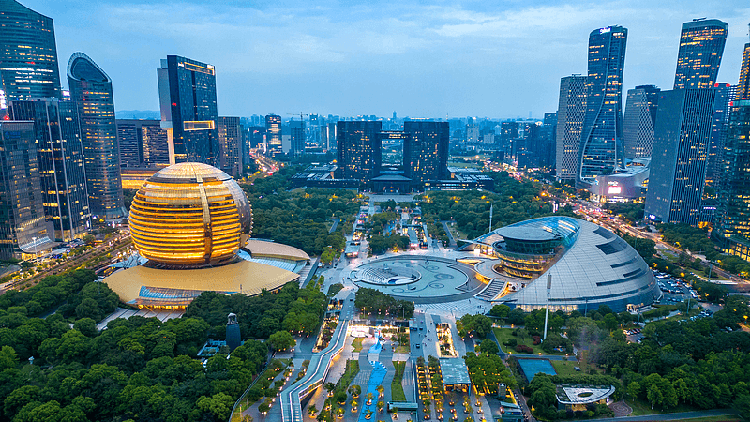
Hangzhou (杭州) is the southern terminus of the Grand Canal, which begins in the north at Beijing. Its name is associated with wharfs, and for centuries it was a commercial hub thanks to canal navigation. Between 1127 and 1279 it served as the capital of the Southern Song dynasty. Its landscape is marked by the West Lake, a setting rich in legend and history.

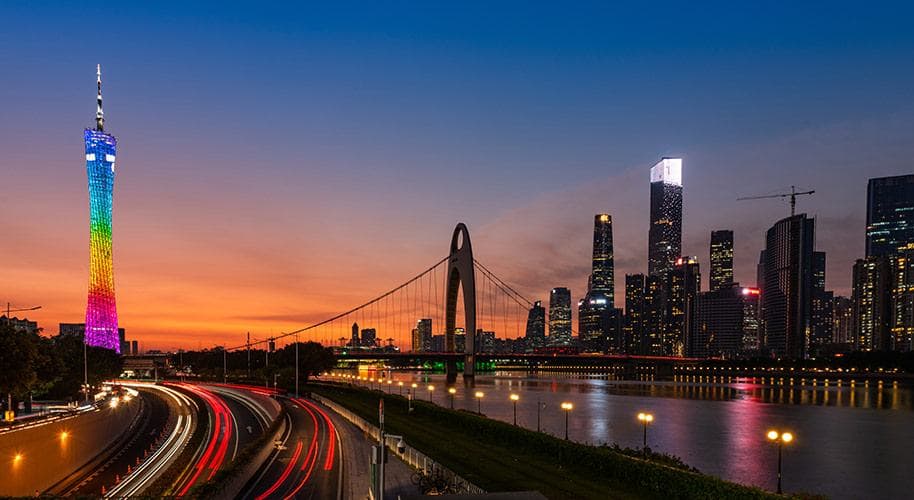
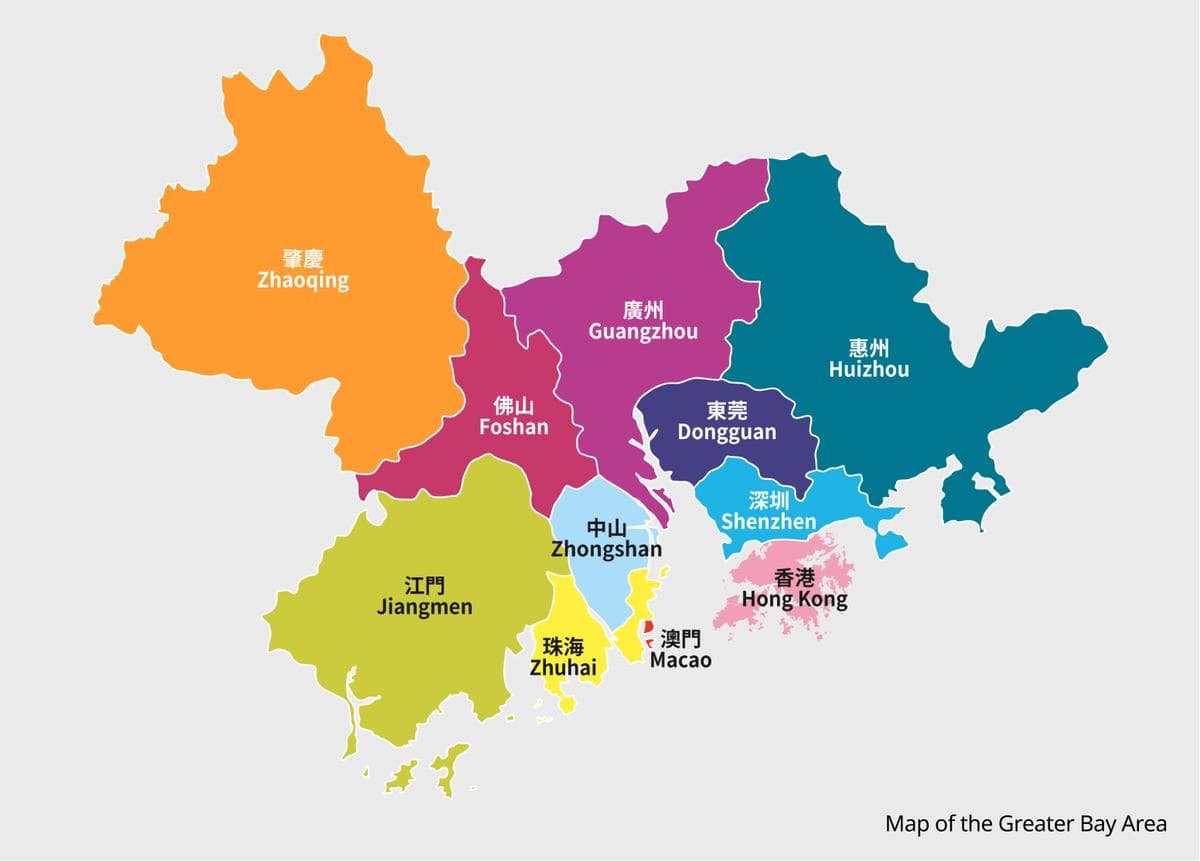
Guangzhou, on the other hand, is the capital of the Greater Bay Area (GBA), an economic zone that brings together Guangzhou, Shenzhen, Macau, Hong Kong, and other cities, combining history, technology, and gastronomy.
China's Present
During the trip, I witnessed the large-scale transformation taking place in China. The urban infrastructure is impressive, technology is present in virtually every sector, and the culture stands out for its order and traditions. According to local residents, over the past 15 years, cities, housing, highways, and quality of life have changed very rapidly. In major cities, there are no obvious signs of poverty, and there are modernization plans for housing, urban areas, and industries with 20-year horizons that include redesigning cities to make them more efficient and integrating green spaces into large buildings.
Electric Mobility
In September 2026, new energy vehicles (NEVs, which include battery electric and plug-in hybrid vehicles) represented a record 67% of passenger car retail sales in China, according to the China Passenger Car Association (CPCA). Gasoline-powered cars fell below one-third of the market.
Sources: CnEVPost, CPCA report September 2026; SteelOrbis, CPCA, September 2026
Energy: Self-Sufficiency and Dependence
China's energy mix is dominated by coal, which supports much of its baseload electricity generation, and it is one of the world's largest coal producers.
Energy self-sufficiency reached 84.4% in 2025, according to the Economic and Technological Research Institute of CNPC. That same institute projects 84.6% for 2026. In 2025, crude oil production reached 216 million tons and natural gas production reached 263.8 billion cubic meters, both record figures.
Source: China Daily, February 2026
Despite these advances, China is not self-sufficient in oil or gas. The origin of its crude imports has shifted: according to S&P Global Energy calculations, the Middle East's share fell from 55.4% in the first half of 2025 to 44.6% in the same period of 2026. In May 2026, crude imports reached 7.8 million barrels per day, the lowest level since 2017.
Sources: OilPrice, 2026; Discovery Alert, 2026
Strategic mitigation measures
Electrification. Electric vehicles and high-speed rail are already reducing oil demand in China. According to the IEA, electric vehicles displaced around one million barrels per day in 2025, roughly 15% of the road transport demand that would exist with a combustion fleet. CREA estimates that in the first half of 2026 they displaced 36 million tons of oil, close to one-third of the demand decline. Sinopec projects that demand will fall 8.9% in 2026, its third consecutive annual decline.
Sources: The Arabian Post, IEA and Sinopec; OilPrice, CREA
Pipelines and alternative routes. China is reducing its exposure to maritime routes through onshore pipelines. The ESPO pipeline branch from Russia has a capacity of around 700,000 barrels per day, and pipelines from Kazakhstan add up to roughly 400,000. Russian crude imports reached a record of 1.99 million barrels per day in May 2026. CNPC began construction of a second line to double the capacity of the ESPO branch. For natural gas, the Power of Siberia pipeline connects Eastern Siberia with Northeast China.
Sources: Energy Intelligence, Russian imports ; Energy Intelligence, CNPC ESPO expansion ; Hydrocarbon Processing, Russia-China cooperation
Strategic reserves. China does not publish official reserve figures, so estimates vary. According to Energy Intelligence, its total crude stocks, including state and commercial reserves, equal about 130 days of imports, above the 90 days recommended by the International Energy Agency. Other estimates range between 115 and 120 days at the beginning of 2026. The state reserve alone held about 404 million barrels at the end of August. Additionally, China's oil federation suggested increasing state storage capacity to over 1 billion barrels, with no defined timeline.
Sources: Energy Intelligence, inventories (subscription required); The Standard, reserves and capacity; Wikipedia, China's strategic reserve
Technology
To get around in China day-to-day, a mobile phone is practically essential. WeChat and Alipay are the dominant payment methods, and QR codes are the standard in transportation and commerce. Cash and credit cards are increasingly less accepted.
Major cities have metro systems, high-speed rail connects much of the country, and transportation is complemented by buses, bicycles, scooters, and cars.
In smartphones, local brands like Xiaomi, Honor, and Huawei dominate. Samsung has virtually exited that market, while iPhone remains the foreign brand with the strongest presence alongside other Apple products.
Commerce
China has a very wide commercial offer, from luxury stores to mass retail. The urban centers I visited had active commerce and top-tier stores, and quality of life is evident in the cities. There is a dynamic economy that needs all its pieces to work in order to meet its goals.
APEC 2026 in Hangzhou and Guangzhou
I had the privilege of participating in a dialogue panel on artificial intelligence and how it's transforming the way we work and live. I was able to share my personal experience, discuss what I'm seeing in my environment, and engage in conversation with Chinese investors and entrepreneurs on the same stage.
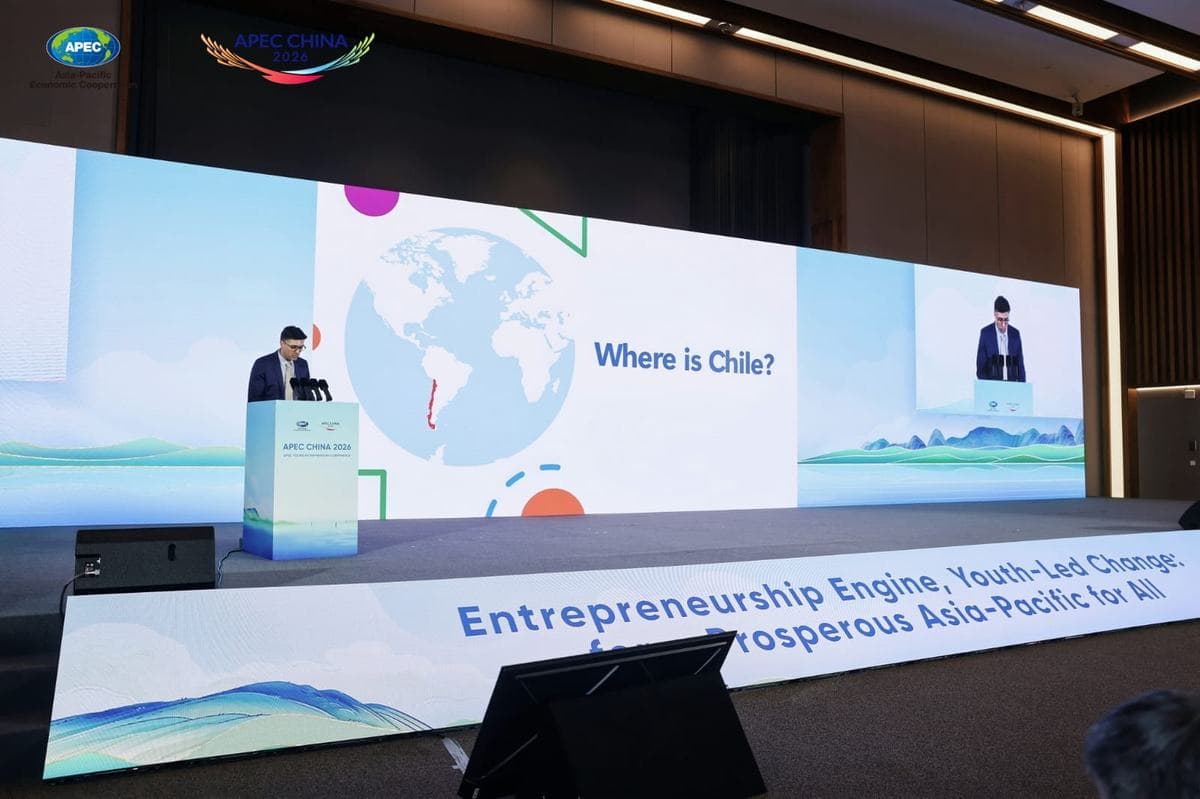
At the closing of the conference, I was asked to deliver a brief speech where I showcased Chile and how we cooperate economically with China, and delivered a message of encouragement to the young participants.
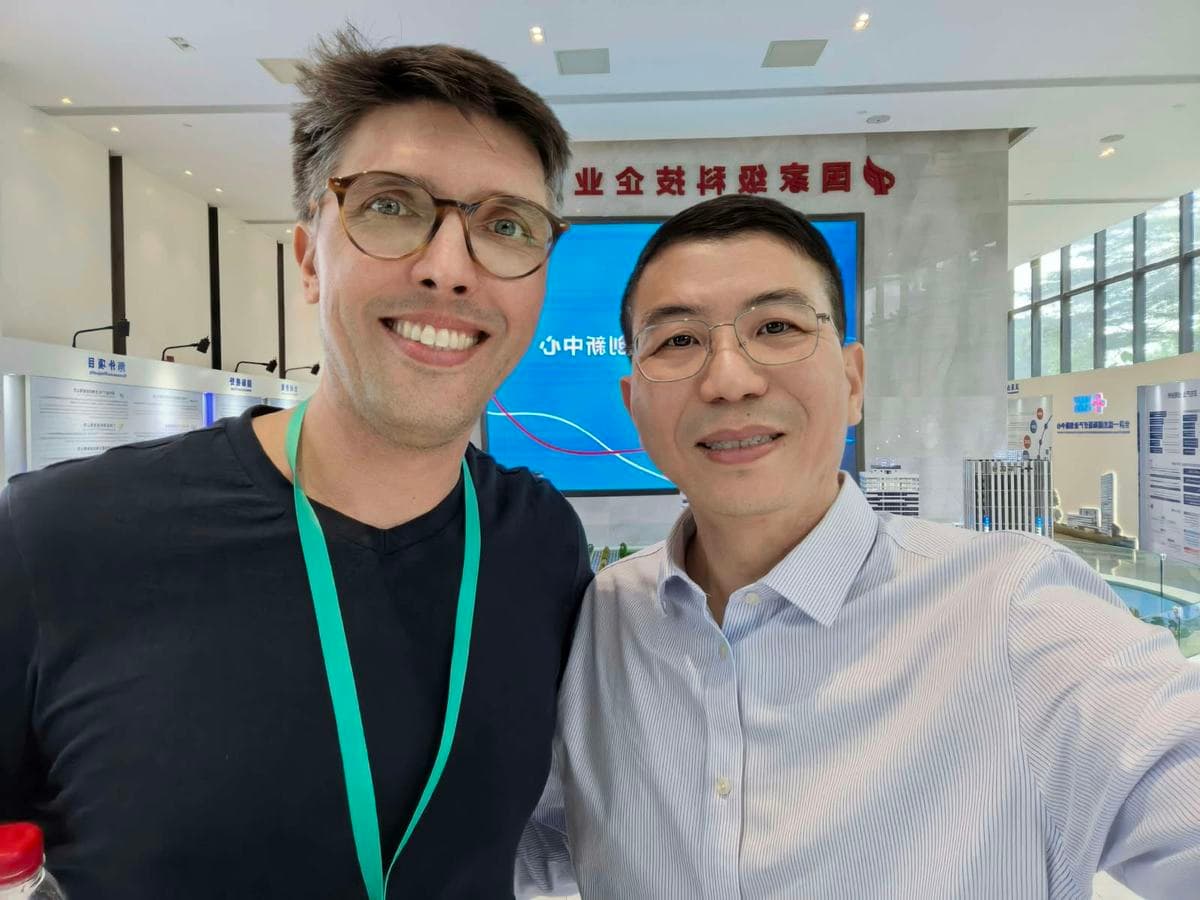
Each lunch and dinner was an opportunity to meet people from different nationalities and industries. I had the chance to meet the founder of Rokid, share experiences with one of Chess.com's shareholders, and speak with the CEO of Medical Valley Nansha. Undoubtedly, an unforgettable experience.
Key Takeaways
I was surprised by what China has accomplished and what it is building. Three lessons stand out for our work:
- Digital adoption goes far beyond apps: payments, transportation, and commerce all operate on the same infrastructure.
- The electrification of transportation is advancing at an industrial scale, with figures that already represent the majority of new car sales and declining oil demand.
- Opportunities for cooperation between Chile and China lie in digital commerce, cross-border payments, and technology applied to business.
I hope to return soon and continue working with the new friends I made. If your company is looking to explore technology, payments, or commerce with China or other Asia-Pacific markets, let's talk.